Published January 19, 2024
Breaking the Bias Barrier: How Democracies Can Tackle Systemic Inequities in Bureaucracy
The promise of democracy lies in its commitment to equality and fair representation for all. Yet, beneath the surface of vibrant elections and diverse public discourse, a persistent shadow lurks: systemic inequity. This insidious form of discrimination isn't always overt; it often whispers through the very policies and procedures meant to govern our democracies, particularly within the labyrinthine world of bureaucracy.
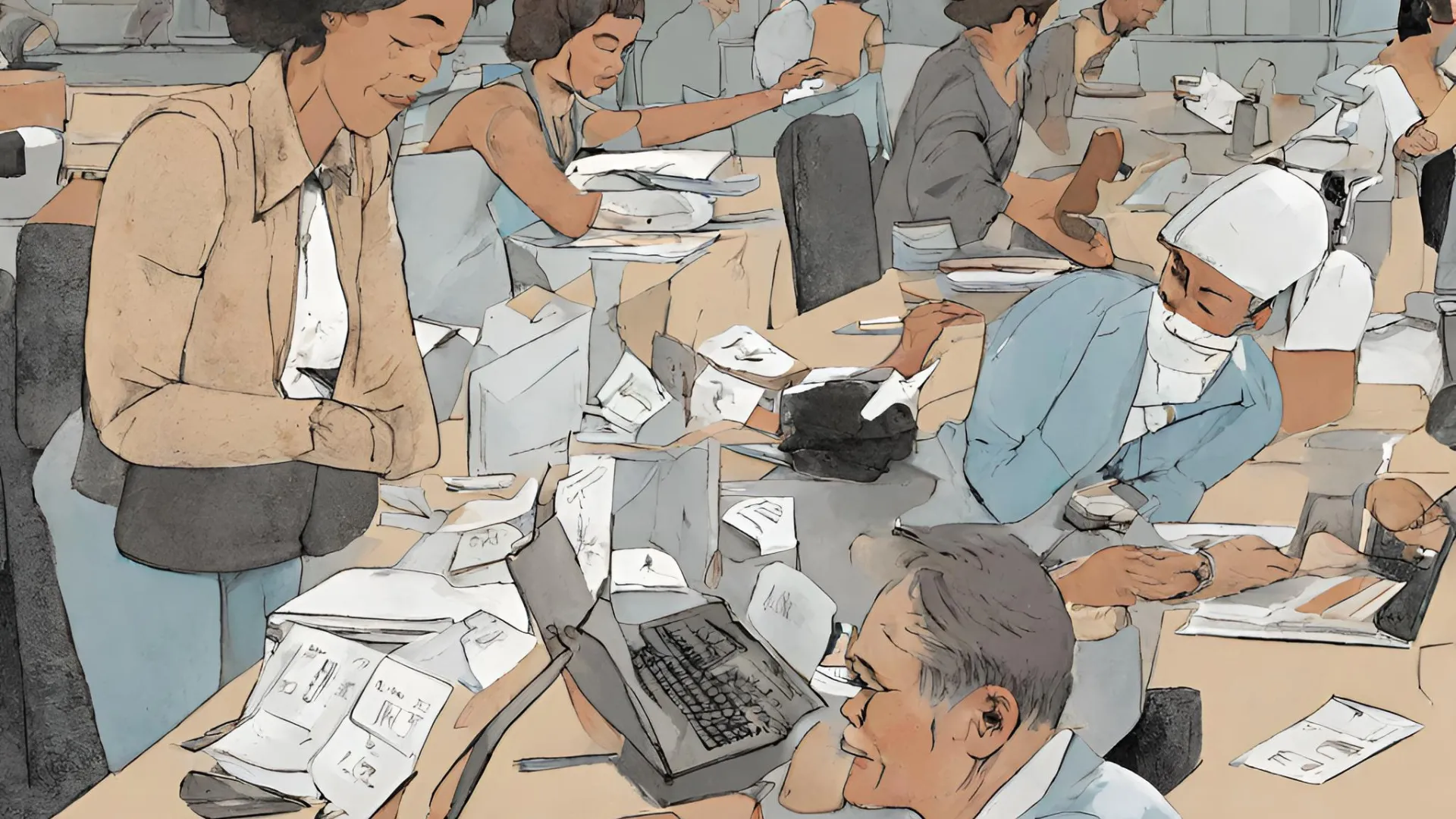
Biases, both conscious and unconscious, can become embedded in the fabric of regulations, eligibility criteria, and service delivery practices. These hidden prejudices can disproportionately disadvantage marginalized groups, creating invisible barriers to essential services, economic opportunities, and even basic human rights. For example, complex and inaccessible application processes can exclude those with limited literacy or digital skills, while culturally insensitive policies can inadvertently marginalize minority communities.
The consequences of unchecked systemic inequity are far-reaching and corrosive. Trust in institutions erodes, social cohesion weakens, and the very legitimacy of the democratic system is placed at risk. It's not enough to simply hope for these biases to fade organically; addressing them requires proactive and deliberate action.
Here are some crucial steps democracies can take to dismantle the bias barrier and foster a more inclusive bureaucracy:
- Conducting regular audits and assessments to identify and dismantle discriminatory policies and procedures.
- Engaging in community consultations to gather insights from marginalized groups on how bureaucratic systems can be made more equitable.
- Implementing diversity and inclusion training for public servants to raise awareness of unconscious biases and promote fair decision-making.
- Streamlining complex processes and making government services more accessible through user-friendly technology and multilingual support.
- Investing in data-driven solutions to track and measure progress in addressing systemic inequities, ensuring continuous improvement.
The road to dismantling systemic inequity is long and complex, but it is a necessary journey for any democracy aspiring to live up to its ideals. By actively confronting the biases embedded within bureaucratic systems, we can pave the way for a more just and equitable society where everyone feels seen, heard, and empowered to participate fully in the democratic process.